One of the easiest ways to prevent moving-day delays is to plan the route between the truck and the front door before the crew arrives. For an apartment, condo, townhome or gated community, the biggest complications are often not the boxes—they are parking restrictions, elevator reservations, long hallways, stairs, loading zones and access codes.
This apartment and condo moving checklist explains what to confirm in advance so your movers can arrive with the right plan, equipment and crew.
1. Confirm Where the Moving Truck Can Park
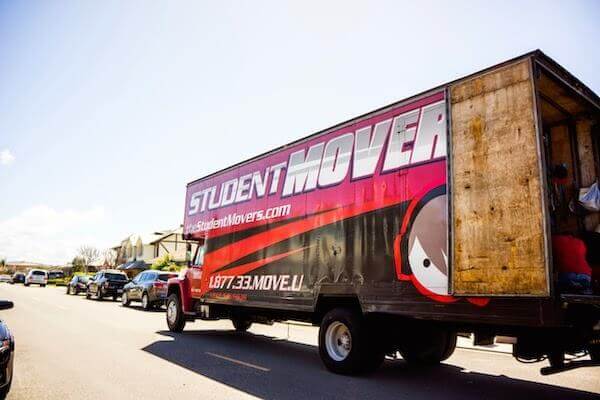
Do not assume the closest curb, driveway or loading area will be available on moving day. Ask the property manager or HOA whether the moving truck needs a permit, loading-zone reservation, parking pass or proof of insurance. If street parking is the only option, check posted restrictions and street-sweeping times.
The distance from the truck to the residence matters. A long carry through a parking structure, courtyard or hallway can change how the crew stages the move. Sharing photos of the parking area and walking route in advance can help your mover understand the setup.
2. Reserve the Elevator and Loading Area
Many condo and apartment buildings require residents to reserve a service elevator or a specific moving window. Confirm:
- The permitted moving hours
- Whether the service elevator must be reserved
- Where the crew should check in
- Whether elevator pads or floor protection are provided
- How long the reservation lasts
- Whether the building needs a certificate of insurance
Send the building’s requirements to your mover as early as possible. A missed elevator reservation can create avoidable waiting time or force the move to be rescheduled.
3. Measure Tight Spaces Before Moving Day
Measure large furniture and the narrowest parts of the route, including doorways, stairwells, elevator doors and hallway turns. Pay special attention to sofas, bed frames, armoires, dining tables and oversized desks.
If an item will not fit fully assembled, let the moving company know beforehand. Planned disassembly is much smoother than discovering a clearance problem after the truck is loaded.
4. Share Stairs, Gates and Access Codes
Tell the mover about every flight of stairs at both addresses, even if the building also has an elevator. Confirm gate codes, call-box instructions, key pickup and security procedures. If a concierge or property manager must provide access, make sure that person will be available during the scheduled arrival window.
This is especially important for moves involving coastal condos, gated neighborhoods, hillside properties or multi-building apartment communities.
5. Prepare the Interior Route
Clear hallways and entry areas before the crew arrives. Remove loose rugs, plan for pets and keep doors accessible. Label boxes by room so items can be unloaded directly to the correct destination instead of being rearranged later.
If your building has rules about floor, wall or elevator protection, confirm who supplies the required materials. Communicating those requirements before moving day helps everyone arrive prepared.
6. Identify Heavy, Fragile and Unusual Items
Provide an accurate inventory and call out items that may require special planning, such as pianos, safes, large artwork, glass furniture, oversized televisions or unusually heavy pieces. Photos and measurements can help the mover evaluate equipment, crew size and access before the job begins.
7. Coordinate Storage or Multiple Stops
If the move includes a storage facility, donation stop or second residence, provide every address in advance. Confirm the storage facility’s access hours, elevator availability, unit location and truck-clearance rules. Organize the load so items needed first are not buried behind long-term storage pieces.
Local Access Planning Across Southern California
Every community presents different logistics. In Newport Beach, condo, waterfront and gated-community access may require advance coordination. Huntington Beach moves can involve apartments, townhomes, busy streets and larger residential properties. In San Clemente, hills, stairs and coastal neighborhoods can affect truck placement and carry distance. Murrieta moves may involve gated communities, multi-story homes, apartments or longer travel between locations.
The same planning principles also apply to office and commercial moves, where loading docks, building management, elevators and access windows can determine the schedule.
A Five-Minute Pre-Move Access Check
- Where can the truck legally and safely park?
- Is an elevator or loading zone reservation required?
- Does the property require a certificate of insurance?
- How many stairs and how long is the carry?
- Are there gates, codes, keys or security check-in procedures?
- Will every large item fit through the route?
- Are there heavy, fragile or unusual items?
- Does the move include storage or additional stops?
Giving your mover complete access details before moving day helps the crew plan efficiently and reduces surprises for the customer, property manager and neighbors.
Plan Your Move With Student Movers®
Student Movers® provides residential, apartment, condo, office and long-distance moving services throughout Orange County, Riverside County and Southern California. With more than 16 years in business and more than 12,000 moves completed, our team understands that careful planning starts before the truck arrives.
Ready to plan your move? Contact Student Movers® or call 1-877-336-6838 to discuss your addresses, access details and moving needs.
Student Movers® | CAL-T190759 | USDOT #2769852 | MC 61421