
A small office move can interrupt a workday just as easily as a large headquarters relocation. The difference is often planning: a clear inventory, a point person, building-access details, and a realistic sequence for packing and reconnecting equipment. This two-week office moving checklist is designed for Southern California businesses relocating a suite, studio, professional office, or small team.
Start with one practical rule: tell your moving company about the furniture, equipment, access conditions, and timing constraints before the move is scheduled. The more accurate the plan, the fewer surprises on moving day.
Two weeks before: confirm the scope and building rules
Appoint one move coordinator who can answer questions for the team and the movers. Walk through both spaces and document the following:
- Current and destination addresses, suite numbers, and contact people.
- Desks, chairs, tables, shelving, filing cabinets, and equipment to be moved.
- Items staying behind, going to storage, or being donated.
- Stairs, freight elevators, loading docks, gate codes, and walking distances.
- Permitted move hours, elevator reservations, parking requirements, and any certificate-of-insurance request from property management.
- Furniture that may need to be disassembled and reassembled.
Check the building rules at both ends. Some offices permit moving only outside normal business hours; others require a reserved loading window. Do not assume that the building manager at the destination has the same rules as the current location.
Ten days before: map out workstations and priorities
Draw a simple floor plan showing where desks, conference tables, storage units, and shared equipment should go. Number workstations or assign room names. Label boxes and furniture with the destination location, not just the employee’s name.
Identify a small set of essentials needed on the first day: internet equipment, phones, key documents, office supplies, and equipment required to serve customers. Keep this group separate and clearly labeled. Arrange utility and internet activation with the relevant providers; movers should not be expected to configure networks or handle confidential data without an agreed scope.

One week before: pack carefully and protect information
Back up company data according to your IT team’s procedures. Ask staff to remove sensitive papers and personal belongings from desks before packing begins. Use appropriate packaging for monitors, computers, and fragile peripherals, and label the cables associated with each workstation.
For confidential records, financial information, or regulated material, designate an authorized employee to supervise packing and transport or use a qualified specialist where necessary. A moving company can transport many ordinary office items, but data-security responsibilities should be agreed upon in advance.
Confirm which items are too large for doors or elevators, and share photos and measurements with the mover. If you need storage or multiple stops, provide the full route and facility access rules.
Two days before: send one final move brief
Give the moving coordinator and crew a concise brief with the inventory, floor plan, contact numbers, parking instructions, elevator window, security check-in procedure, and any fragile or unusually heavy items. Confirm whether packing, materials, disassembly, or after-hours work is included in your moving arrangement rather than assuming those services are automatic.
Notify employees where they should report during the move and how they will access essential tools while workstations are offline. Communicate any customer-service interruption in advance.
Moving day: keep decisions centralized
Have a designated person available at the pickup and destination. Confirm the loading route before moving begins. As items arrive, use the labeled floor plan to direct furniture and boxes to their intended spaces. Keep hallways and exits clear and address placement questions immediately instead of rearranging everything later.
Before the crew departs, walk through both locations and check for overlooked items, visible damage, and furniture that needs attention. Record any concerns promptly using the process in your moving paperwork.
The next business day: reconnect and review
Have your IT team test internet, printers, phones, shared drives, and other systems. Unpack priority work areas first. Update your address with vendors, customers, and relevant business listings, and make sure mail forwarding and building access are in place.
Commercial moving experience in Orange County
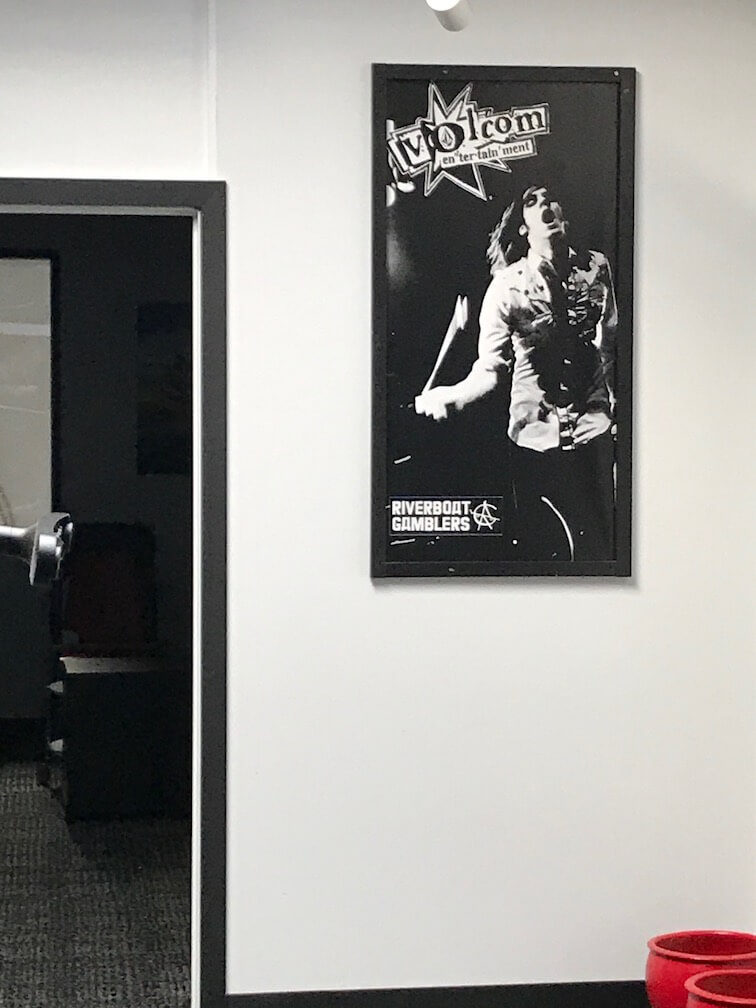
Student Movers® provides office and commercial moving services in Southern California. Our documented past work includes a project at Volcom headquarters, featured in our Volcom moving story. The featured photograph is from that earlier project, not a recent move.
Businesses relocating in Newport Beach, Huntington Beach, or other nearby communities can use this checklist to prepare for an office move. For a broader look at our commercial history, see Companies We’ve Moved.
Plan an office move with Student Movers®
Share your dates, office size, furniture list, equipment, and building access details so we can discuss the appropriate moving plan. Contact Student Movers® or call 1-877-336-6838 to get started.